Support Groups
Healing Happens Together

Healing doesn’t have to happen alone.
Our support groups offer a compassionate, supportive, and safe space for adults (21+) who want to explore their inner world, feel less alone in their experiences, and build connection with others who truly understand.
Support groups can help you:
Feel seen, heard, and understood in a safe, non-judgmental space
Reduce isolation and shame by connecting with others who share similar experiences
Develop insight into your concerns
Practice emotional awareness, regulation, and healthy boundaries
Strengthen your sense of self while being in connection with others
Each group is facilitated with care and intention, blending gentle guidance, shared reflection, and emotional validation. While every participant’s story is unique, the group setting often brings a powerful reminder: you are not alone.
Parental Hurt Support Group

Parental hurt refers to the emotional pain that arises from painful, difficult, or harmful relationships with one’s parent(s) or parental figure(s). Parents who are emotionally immature, as in, controlling, manipulative, absent, explosive, critical, etc., can have a lasting impact on their child(ren) leading to deep-seated wounds that affects one’s life quality from childhood well into adulthood.
For many, this type of hurt can feel incredibly isolating and dark. Which makes having a sense of community and support like the Parental Hurt Support Group essential for healing.
If this resonates with you, then know that you are in the right place to begin or continue healing and reclaiming your life. The Parental Hurt Support Group is a safe space for adults to share, heal, and learn how to navigate the impact of difficult, complex, or estranged relationships with parents or parental figures. We’ll be reading the book, “Adult Children of Emotionally Immature Parents” by Lindsay C. Gibson, PsyD. While the book is not required it is highly recommended.
Virtual | 6 weeks | 1 hour per week | 5 participants | $50 per session
Caregiver Support Group
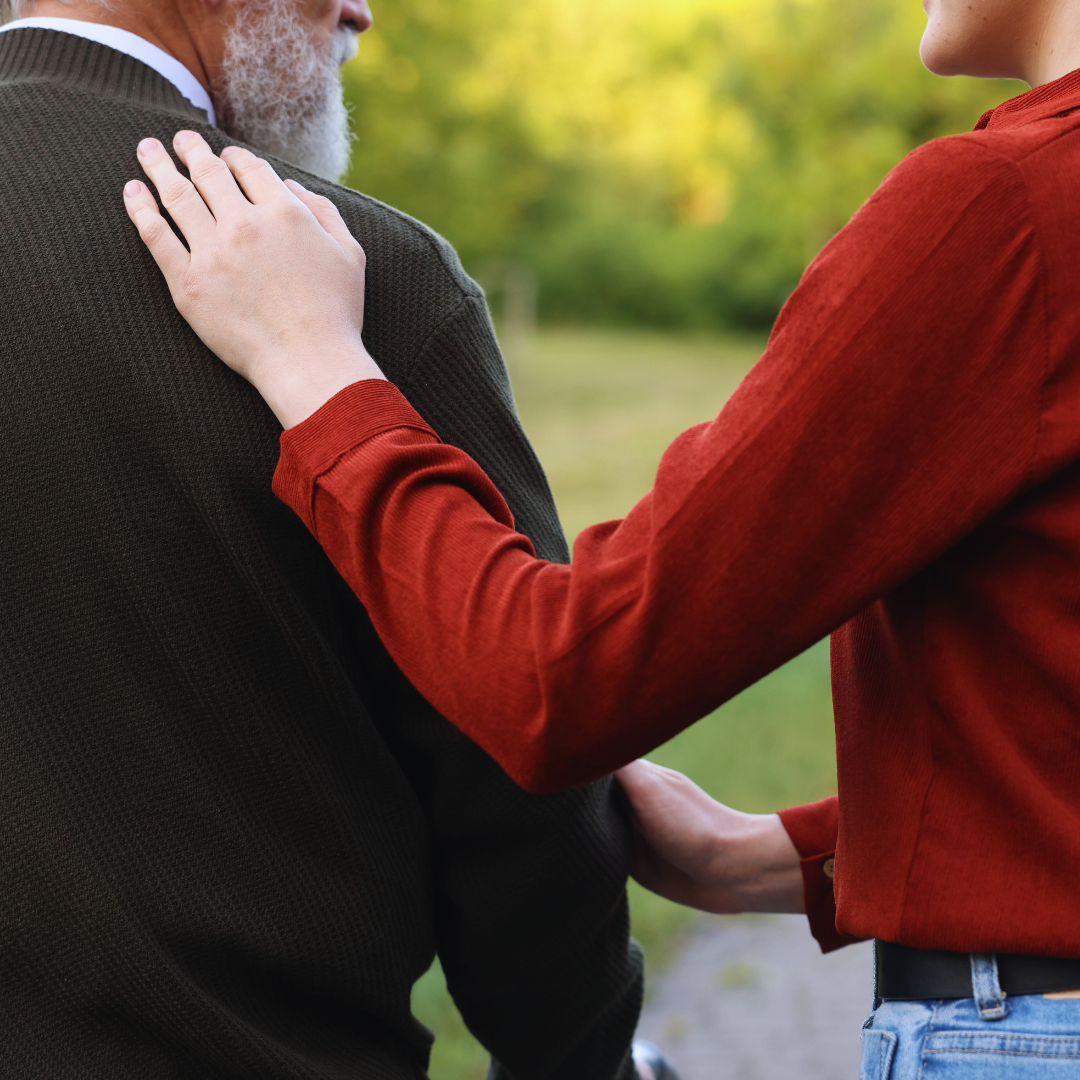
Caregiving for a parent exists across a wide range of lived experiences.
For some, caregiving for a parent is deeply meaningful and yet incredibly heavy. It may come with moments of closeness, purpose, and love, alongside exhaustion, grief, and constant responsibility.
For others, caregiving for a parent is bound up in complexity. It may reopen old wounds, stir resentment, or bring a mix of conflicting emotions. It can be especially difficult when the relationship has been strained, emotionally distant, or marked by hurtful experiences.
This support group is for adults who are caring for aging, chronically ill, or special needs parents while balancing their own well-being. Many caregivers find themselves navigating the emotional, physical, mental, and legal complexities of caregiving quietly, and this group offers a safe space for all of it to be held.
Virtual | 6 weeks | 1 hour per week | 5 participants | $50 per session
Not ready to join a group? Then check out these resources to support your journey.

Heal from emotionally immature, absent, and unavailable parents.
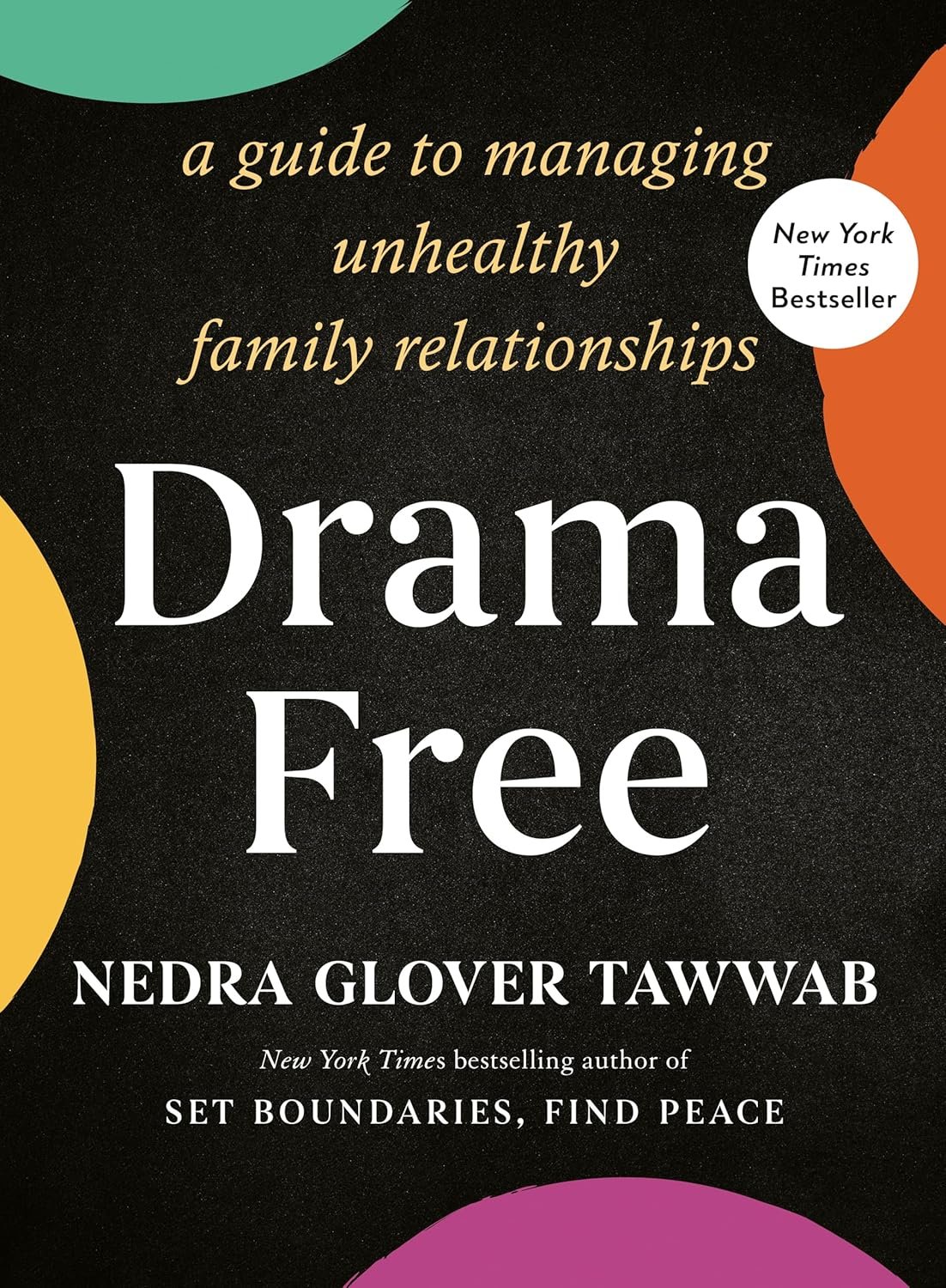
Learn how to manage boundaries with unhealthy family without guilt.

Learn how to effectively set and receive boundaries.

Reclaim your life from the pain of toxic parents and parental wounds.
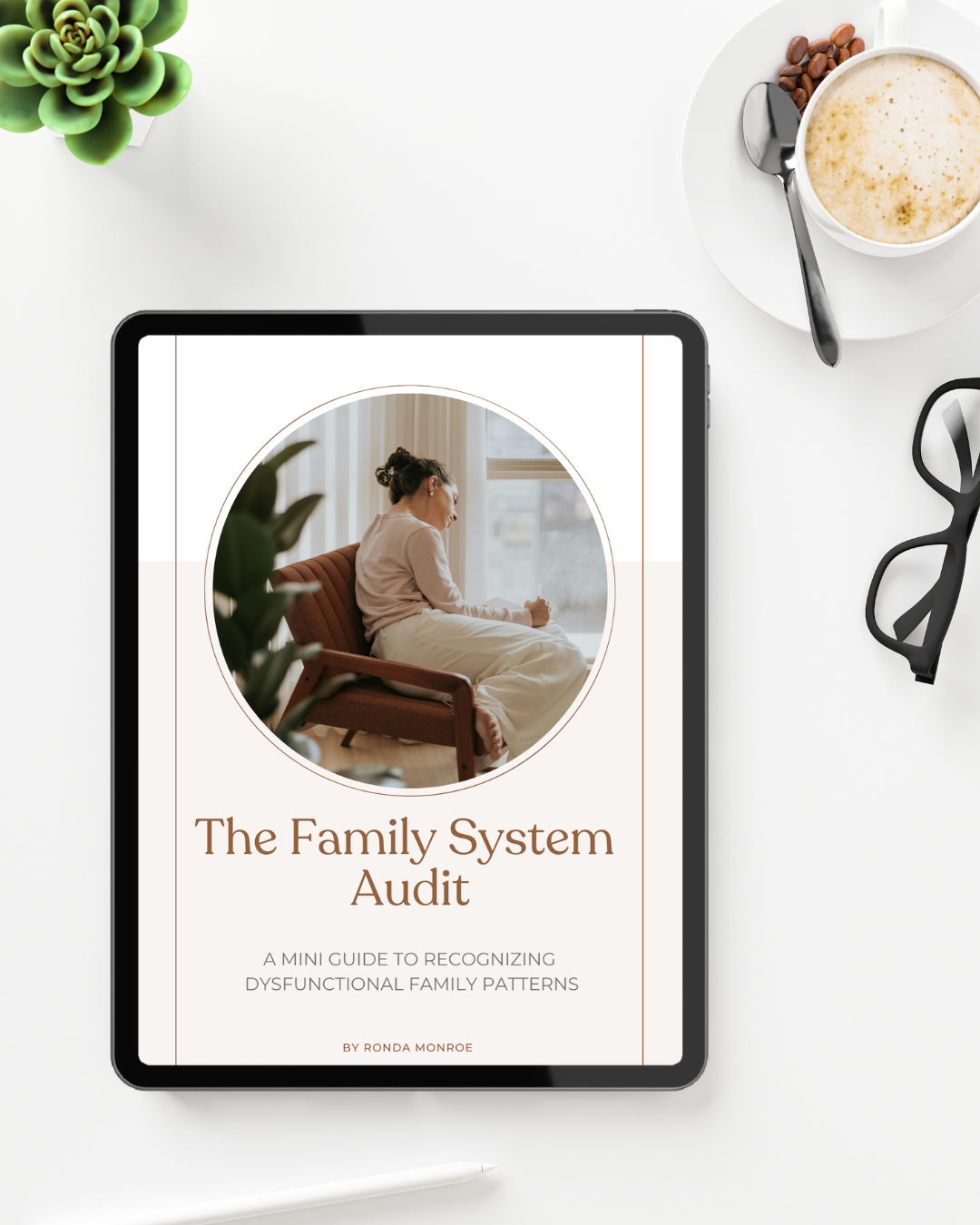
The Family System Audit
When we start to wonder, ‘Was my family really that bad?’, that’s means its time for some answers and clarity. This free mini-guide helps you explore the impact of your family system and see the patterns you’ve been carrying.
If you grew up in a home with inconsistent care, high conflict, or unspoken rules, you likely learned specific survival strategies and roles. As an adult, these same strategies can keep old family wounds alive, affecting your sense of self, relationships, and choices.
The Family System Audit walks you through the 10 core dysfunctional family roles, helping you recognize patterns and reflect on how they show up in your life today.
Get free instant access, plus join our community for ongoing support, events, and resources on healing relational trauma.
On the Blog
-
![Woman with brown and blonde hair holding her face in her hand with distress.]()
Caregiving for a Parent When You Have a Difficult Relationship
-
![Close-up of a couple holding hands, with the woman's hand featuring an engagement ring.]()
How Childhood Trauma Impacts Your Marriage (And What To Do About It)
-
![A woman with long braided hair, wearing a gray turtleneck, appears to be in thought or concern, touching her face with her hand against a plain background.]()
10 Things You Need To Know About Going No Contact With Family
-
![A man and woman sitting with eyes closed, heads bowed, and hands clasped in prayer.]()
Your Partner is Not Your Parent (How Reparenting Yourself Supports Lasting Love)
-
![Person with dark hair facing away, wearing a gray and black jacket, outdoors on a cloudy day, looking over a landscape with hills and trees.]()
Overcoming the Shame of a Broken Family
-
![A woman with curly hair standing by a window, holding a red mug and drinking coffee or tea.]()
The Ebbs and Flows of Going No Contact With Family
-
![A young woman sitting at a desk with paperwork, a calculator, and a laptop, looking stressed or overwhelmed, in front of a large window with plants outside.]()
How Conditional Parental Love Shapes Perfectionism
-
![Girl sitting against a white brick wall, holding a tissue box, with her hand near her face, wearing a green sweater and blue jeans.]()
Becoming Friends With Grief
-
![A person with shoulder-length hair standing in a forest at sunset with arms crossed.]()
Estranged on Father’s Day
-
![A young girl with brown hair wearing a pink shirt sitting on grass with small white flowers, facing away, with the sun setting behind trees in a forest.]()
Mantras To Soothe Your Inner Child
-
![A man standing outdoors with eyes closed, face tilted up, appearing to enjoy the sunlight, with a blurred background of green trees.]()
4 Ways to Reparent Yourself Right Now
-
![A woman outdoors during sunset with her eyes closed, hand on her chest, wearing a black top and a light-colored sleeveless outer garment.]()
Healing Relational Trauma with Nervous System Awareness