Caregiving for a Parent When You Have a Difficult Relationship
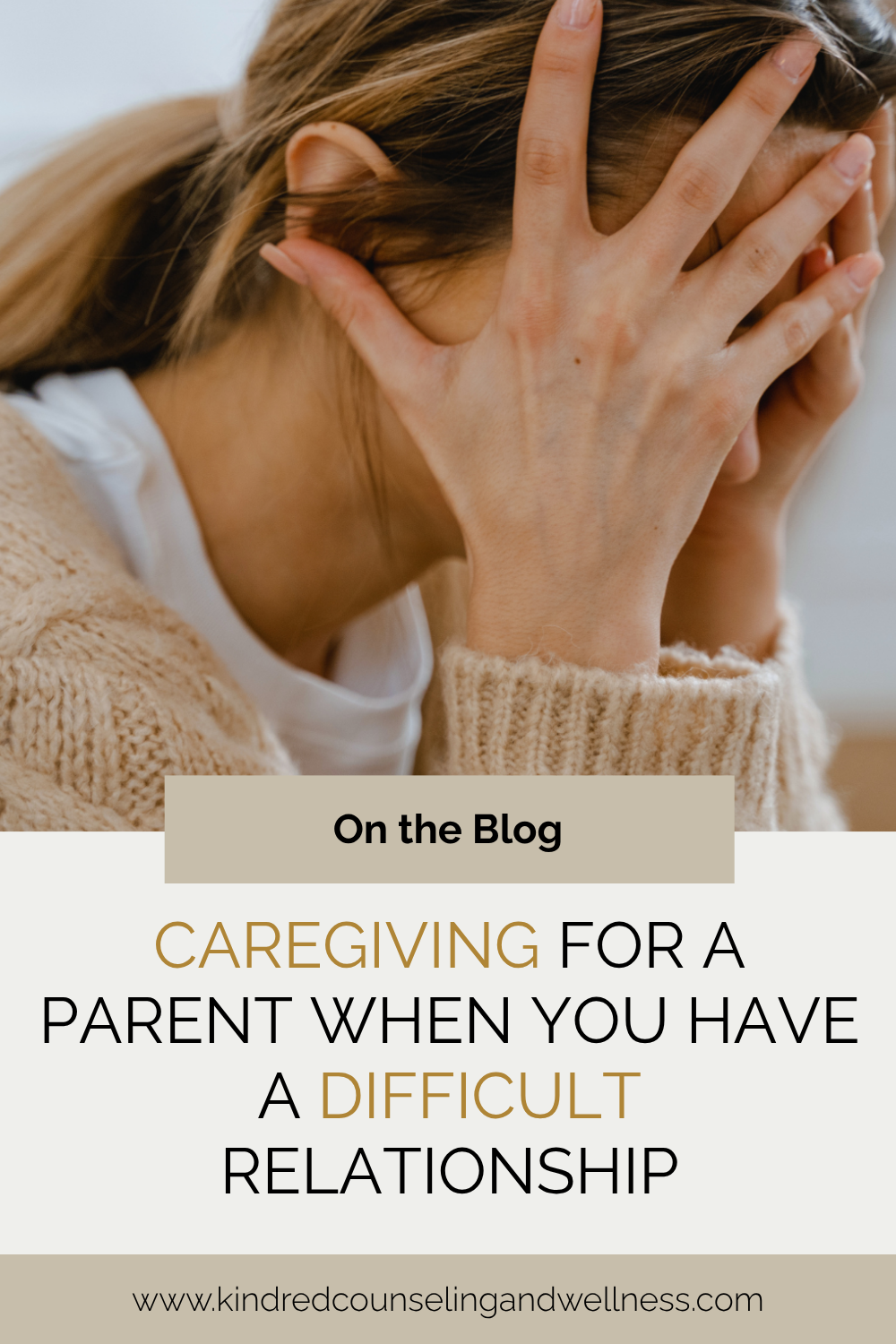
Caregiving for an aging, chronically ill, or special needs parent can be hard under the best of circumstances.
But caring for a parent who you have a difficult, strained, or complicated relationship with can feel particularly complex.
Caregiving then becomes more than assisting a loved one with their needs or providing daily living support. It becomes a recurring emotional wrestle between the history of the relationship, the needs of the present reality, and how to process and respond to both. As your parent’s health changes due to dementia, Alzheimer’s disease, chronic illness, disability, memory loss, declining health, or other conditions, you may also see resistance to care, personality changes, and difficult behaviors that can accompany these conditions — leaving you navigating new challenges alongside the existing complexities of your relationship.
Caregiver Guilt and Resentment Toward a Parent
The history of the relationship could be filled with repeated, unrepaired ruptures and harmful experiences involving unmet needs, parentification, boundary violations, emotional unpredictability and immaturity, substance use, enmeshment, control, emotional neglect, chronic conflict, triangulation, or even abuse.
A history like this met with a present reality that your parent’s health asks of your compassionate available care can understandably bring up old or unresolved wounds alongside a mix of emotions. Because before you were their caregiver, you were their child. And that relationship history does not disappear when caregiving begins.
You may feel frustrated because you feel obligated to help someone who has also caused you pain. Guilt because you feel ashamed for having resentment toward a parent who needs you. Resentment because you are being asked to care for someone who may not have cared for you in the ways you needed. Grief for the part of you that may never get closure or acknowledgement of the harm caused. Relief when you have time away, followed by guilt for feeling relieved in the first place.
These feelings are more common than often talked about, and the silence around these feelings can feel painfully isolating.
A lot of the advice given to caregivers in this situation sounds like:
“Just be compassionate”
“Don’t take their words personally”
“Take care of yourself but also just try not to be so hurt”
“Try to understand what they are going through”
“There’s no point in expressing yourself now, so just accept it and move on”
“Don’t focus on the past”
While compassion, acceptance, and understanding are important parts of caregiving, this advice is incredibly incomplete when the relationship has a painful history because it unintentionally reinforces a core issue — asking you to put your own needs and truth aside to manage the relationship.
Caring for Your Parent Without Losing Yourself
However, healthy caregiving holds space for both realities: your parent’s needs and your own.
This means finding a balance between caring and self-preservation — creating a way to care that allows you to honor your needs and show up without losing yourself in the process.
This looks like learning how to hold two truths at once. You can have compassion for your parent and still acknowledge the ways you have been hurt. You can understand what your parent is experiencing while also recognizing what this experience brings up for you. You can show dedicated care and still have boundaries. You can understand their limitations while also refusing to tolerating further harm. Acknowledging both truths does not take away from your ability to care. It actually allows you to care from a place that does not require you to abandon yourself or repeat unhealthy relational patterns.
One way to care for yourself is to have a safe and supportive space to talk honestly about the complicated parts of caregiving.
Here at Kindred Counseling and Wellness, we offer a Caregiver Support Group specifically for adults caring for their parent(s). Whether the relationship has been loving, difficult, growing, or somewhere in between, you deserve a space where your caregiving experience can be understood without judgment and you can connect with others who truly understand.
You deserve support, too.